How to Store and Care for Seasonal Clothes Between Spring and Summer
Introduction
Moving from spring to summer means more than shifting coats to the back of the wardrobe. Different fabrics and layers suit different weather, and seasonal wardrobe care now affects their condition when the seasons change again.
Store only clothes that are clean, completely dry and worth keeping. This seasonal wardrobe care helps prevent damage, cuts clutter and makes it easier to find what you need next spring.
You don’t need to preserve every garment in museum conditions. Choose a method for seasonal wardrobe care that suits the fabric, leave clothes room to breathe, and keep them in a cool, dry place.
Know your fabrics
Different fabrics need different care. Wool coats and knitwear can attract moths, while cotton shirts and linen trousers crease easily. Silk and other delicate fabrics can be damaged by friction, heat or harsh cleaning. Thoughtful seasonal wardrobe care accounts for these differences and helps avoid unnecessary wear.
Sort spring clothes into three groups: items to store, pieces to keep wearing on cool evenings, and garments to repair, donate or recycle. This seasonal wardrobe care keeps useful layers within reach and helps you decide what needs long-term storage.
Structured jackets and outerwear generally keep their shape on sturdy hangers of the right size. Fold knitwear, especially heavier pieces, to avoid stretching the shoulders. Delicate clothes may benefit from a breathable garment cover. Avoid plastic covers for long-term storage because they can trap moisture.
Check the care label before cleaning a garment. These fabric care tips are simple: follow washing or dry-cleaning instructions, empty pockets, fasten zippers and buttons, and treat visible stains before storing. Even a faint mark can become harder to remove over time.
Preparing clothes for storage
Clean clothes are less likely to develop odours and stains or attract pests. Wash items according to their care labels, then make sure they are completely dry before packing them away. This seasonal wardrobe care also includes airing professionally cleaned garments after collection and removing their plastic covers before storage.
To help prevent moth damage, clean garments thoroughly, vacuum wardrobe corners and drawers, and inspect woollens before packing. Moths are attracted to natural fibres and residues such as perspiration. Cedar or lavender may help keep storage fresh, but neither replaces cleaning and regular checks.
Choose containers to suit the clothes and the storage space. Good clothing storage may mean breathable cotton bags or clean fabric boxes for folded garments. Sealed plastic containers can be useful in dry areas where pests are a concern, but only if clothes are completely dry and the containers are clean. Avoid damp basements, hot attics and direct sunlight, which can cause mildew, fading or fibre damage.
Don’t overpack containers. Compressed clothes can develop hard creases, and crowded storage makes inspection difficult. Leave room for air circulation, fold garments along their natural seams where possible, and use acid-free tissue to cushion delicate items or support folds in easily creased clothes.
Before storing anything, make a quick inventory as part of your seasonal wardrobe care. Note what you’ve repaired, what no longer fits and what to check when the weather cools. This garment organization can help you avoid replacing something you already own or forgetting a garment that needs attention.
Prepare summer clothes selectively rather than swapping out the entire wardrobe at once. This summer clothes preparation means bringing forward breathable pieces, checking hems, buttons and elastic, and washing anything that has been stored. Keep a light layer handy, too: early summer weather can change quickly, and a spring jacket may still be useful in the evening or while travelling.
Making the transition from spring to summer
During a mild, changeable week, a spring wardrobe refresh might start with the first warm afternoon, even though the forecast still calls for cool mornings. Make seasonal wardrobe care practical: store only the heaviest layers you’re unlikely to need, and keep a small selection of versatile pieces within reach.
Start by separating winter-weight coats and thick knitwear from light cardigans, rain layers and jackets that are still useful. Clean and dry the clothes you’re putting away, then fold or hang them according to their construction. Keep frequently worn transitional pieces somewhere easy to reach.
Next, check summer clothes before bringing them into regular use. Look for loose seams, marks and missing fasteners. Wash items according to their care labels and let them dry completely. Store delicate or occasionwear separately from everyday cotton and linen to prevent heavier pieces or sharp fastenings from rubbing against fragile fabrics.
Label boxes by garment type or season, and keep a brief inventory of delicate or repaired items. Clear labels reduce unnecessary handling. After a few weeks, check the storage area for dampness, pests or musty smells, especially if the conditions there tend to change. Regular seasonal wardrobe care includes these quick checks, which can catch problems before they damage stored clothes.
Conclusion
Good seasonal clothes care comes down to a few consistent habits: clean garments before storing them, choose protection that suits the fabric, fold or hang them appropriately, and keep the storage area dry. These steps help protect your clothes and make them easier to find later.
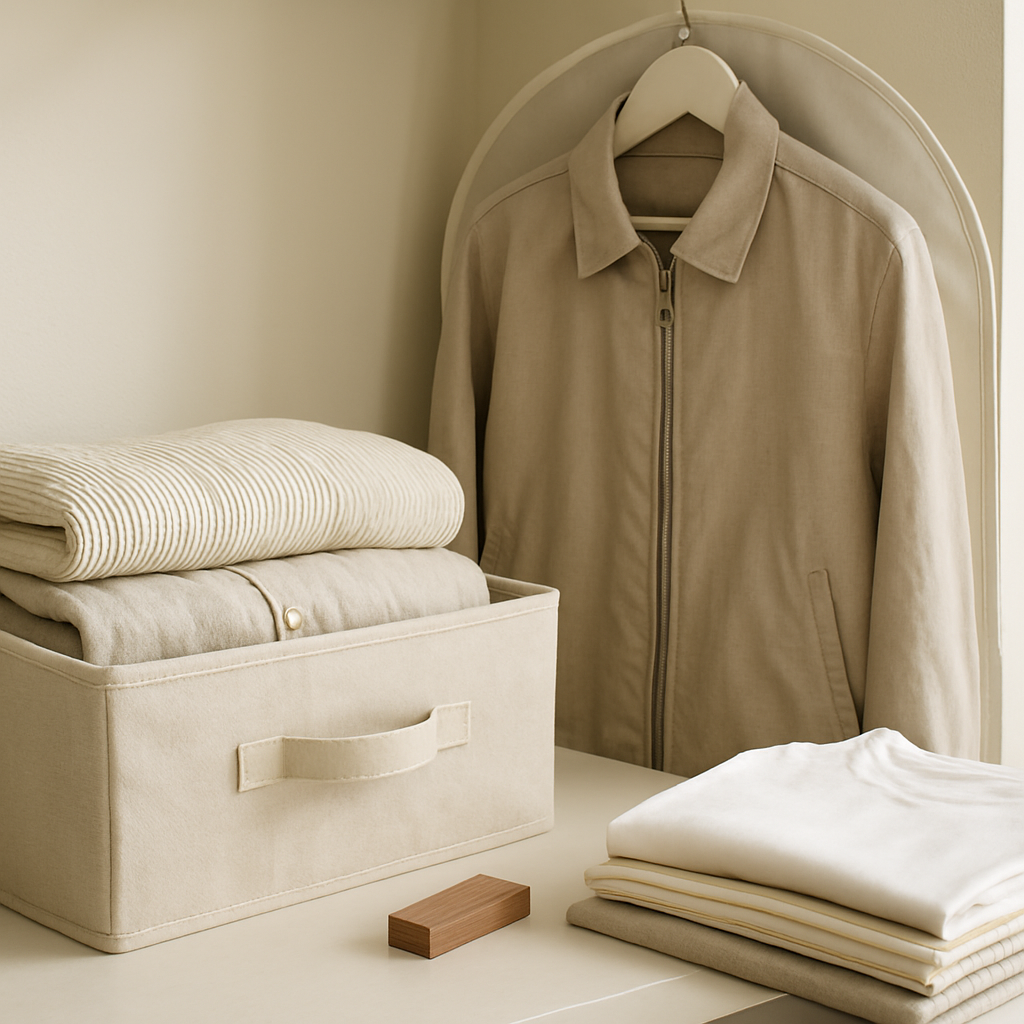
A thoughtful changeover also makes your wardrobe more useful now. Store what’s genuinely out of season, keep adaptable layers close and check summer clothes before wearing them. You’ll have an easier transition from spring to summer and clothes that are ready when their season returns.